
Leaders,
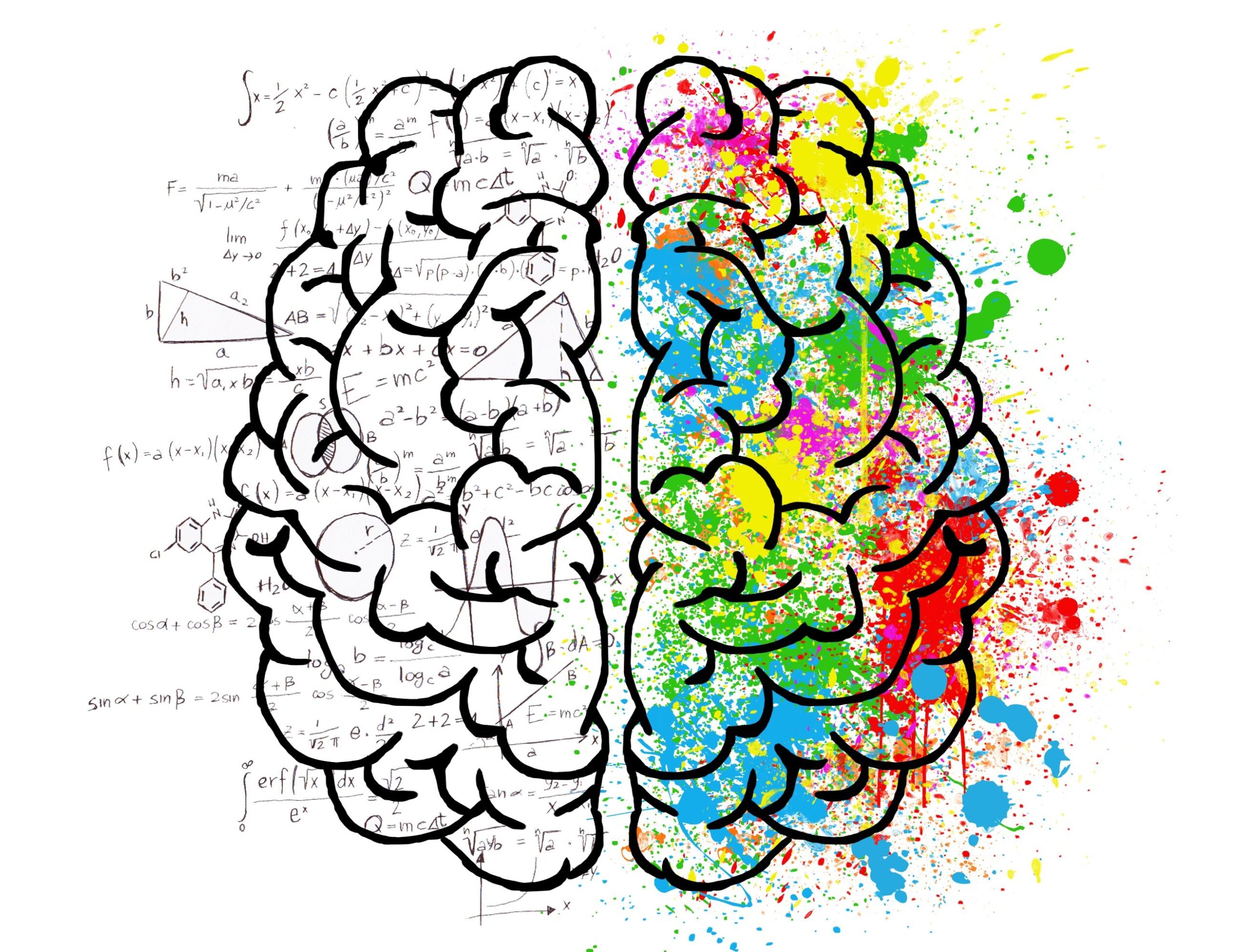 Fifteen to twenty percent of your workforce may be neurodivergent. Most of them are not officially diagnosed. Many do not even have language for why they think, focus, communicate, or react differently.
And yet, leaders still manage as if there were one “normal” brain. Neurodiversity challenges one of leadership’s most persistent illusions: that high performance looks the same in everyone. It doesn’t. Some minds are wired for pattern recognition and systemic clarity. Others for rapid idea generation, hyperfocus, ethical consistency, emotional intensity, or unconventional problem-solving. Conditions such as ADHD, autism, dyslexia, dyspraxia, giftedness, or high sensitivity are not deficits to be corrected. They are cognitive variations with strategic upside.
The question is not whether neurodivergent talent exists in your organization. The question is whether your leadership amplifies or quietly suffocates it.
When “difficult” is actually different
Consider the leader labeled as “unreliable” because she misses meetings, loses track of time, and dives obsessively into detail. Or the team member perceived as “cold” or “disengaged” because he avoids eye contact, withdraws under pressure, or communicates with blunt precision.
Too often, these behaviors are treated as attitude problems. In reality, they may reflect cognitive overload, sensory stacking, executive function challenges, or a different social processing style. What looks like resistance may be overwhelm. What feels like arrogance may be literal communication. What appears as inconsistency may be cyclical energy regulation.
Traditional leadership styles – directive, standardized, norm-driven – collapse under this complexity. They assume linear development and behavioral conformity. Neurodiversity exposes the limits of that model. Coaching does not.
Why a coaching leadership style is non-negotiable
A coaching-based leadership approach is not “nice to have” when leading neurodivergent professionals. It is essential. It starts with a radically different premise: Leadership is not about fixing people. It is about designing conditions in which different minds can thrive. Three capabilities make the difference.
1. Non-judgmental curiosity
Neurodivergent behaviors can be unfamiliar. They are not inherently dysfunctional. Coaching-oriented leaders replace evaluation with inquiry.
Not: “Why are you distracted again?” But: “What helps you concentrate at your best?”
Not:“Why are you so rigid?” But: “What clarity do you need to move forward confidently?”
This shift is not semantic. It reframes difference as data. Coaching helps leaders develop the emotional regulation and humility required for this stance. Instead of reacting to irritation, they learn to pause, observe patterns, and separate impact from intention on both sides.
2. Pattern recognition and context sensitivity
Neurodivergent performance is often cyclical, not linear. There may be phases of extraordinary output followed by visible fatigue. High creativity paired with executive functioning challenges. Deep focus in areas of interest, and rapid disengagement elsewhere.
Without reflection, leaders may default to blame. Through coaching, leaders learn to adopt a meta-perspective:
- When do conflicts reliably occur?
- In which environments does performance drop?
- Is sensory overload playing a role?
- Are expectations explicit, or merely implied?
This pattern awareness enables structural solutions:
- Clear written expectations and checklists.
- Reduced sensory load in meeting spaces.
- Thoughtful meeting design and pacing.
- Flexibility aligned with energy cycles.
- Defined decision rights and transparent priorities.
These are not special favors. They are intelligent performance architecture.
3. Questions before advice & clarity before assumptions
Many neurodivergent professionals have spent years adapting to environments that did not fit them. They often possess refined self-knowledge, alongside heightened sensitivity to control or vague criticism.
Coaching equips leaders to ask empowering, concrete questions:
- What would make this project manageable for you?
- Which of your strengths can we leverage here?
- What structure supports you without constraining you?
At the same time, coaching sharpens a leader’s ability to communicate explicitly. Especially with autistic professionals, implicit expectations, irony, or ambiguous feedback can create unnecessary friction. With ADHD, generalized criticism may feel like personal rejection. Clarity is not micromanagement. It is respect. Coaching trains leaders to balance autonomy with structure; without sliding into paternalism or avoidance.
Beyond accommodation: strategic leverage
Neurodiversity is not a DEI checkbox. It is a strategic asset.
Autistic professionals may bring exceptional systems thinking, integrity, and consistency. Individuals with ADHD often contribute creativity, urgency, emotional attunement, and bold ideation. Highly sensitive professionals can detect cultural shifts long before others notice.
As AI absorbs routine tasks, human differentiation becomes decisive. Original thinking. Ethical awareness. Complex pattern recognition. Empathic leadership.
You cannot command these qualities into existence. You can only cultivate the conditions under which they emerge.
Coaching helps leaders shift from compliance management to strength activation.
What coaching-oriented leadership specifically changes
When leaders engage in coaching focused on neurodiversity, three transformations typically occur:
-
1. From control to design: Leaders stop trying to standardize behavior and begin designing environments that unlock performance.
2. From interpretation to observation: Instead of attaching stories (“lazy,” “arrogant,” “unstable”), they describe observable behavior and explore context.
3. From uniformity to intelligent differentiation: They learn to hold the tension between individual needs, team cohesion, and business realities, without collapsing into either rigidity or chaos.
Coaching also challenges leaders to confront their own cognitive biases. Many leadership norms are built around neurotypical assumptions about eye contact, small talk, time perception, or emotional expression. Coaching surfaces these invisible standards, and questions whether they truly serve performance.
The real leadership test
Leading neurodiversity requires courage. It requires humility to admit that your default leadership style may not work for every brain in the room. It requires discipline to communicate more explicitly than feels necessary. It requires maturity to tolerate behaviors that are unfamiliar without pathologizing them. And the payoff is extraordinary.
Teams that understand cognitive differences become more reflective, more innovative, and more resilient. Psychological safety increases. Conflict becomes data, not drama. Performance becomes more sustainable because people are no longer burning energy on camouflage.
Neurodivergence is not the problem. Rigid leadership is.
Work with me
- If you want innovation, lead differently.
- If you want originality, tolerate difference.
- If you want excellence, coach.
The future of leadership will not belong to those who enforce the norm. It will belong to those who know how to expand it.
If you are ready to challenge your assumptions, elevate your impact, and build environments where diverse minds thrive, let’s start the conversation.
Contact us. We are – as always – just a phone call or email away.